


Found in the Field
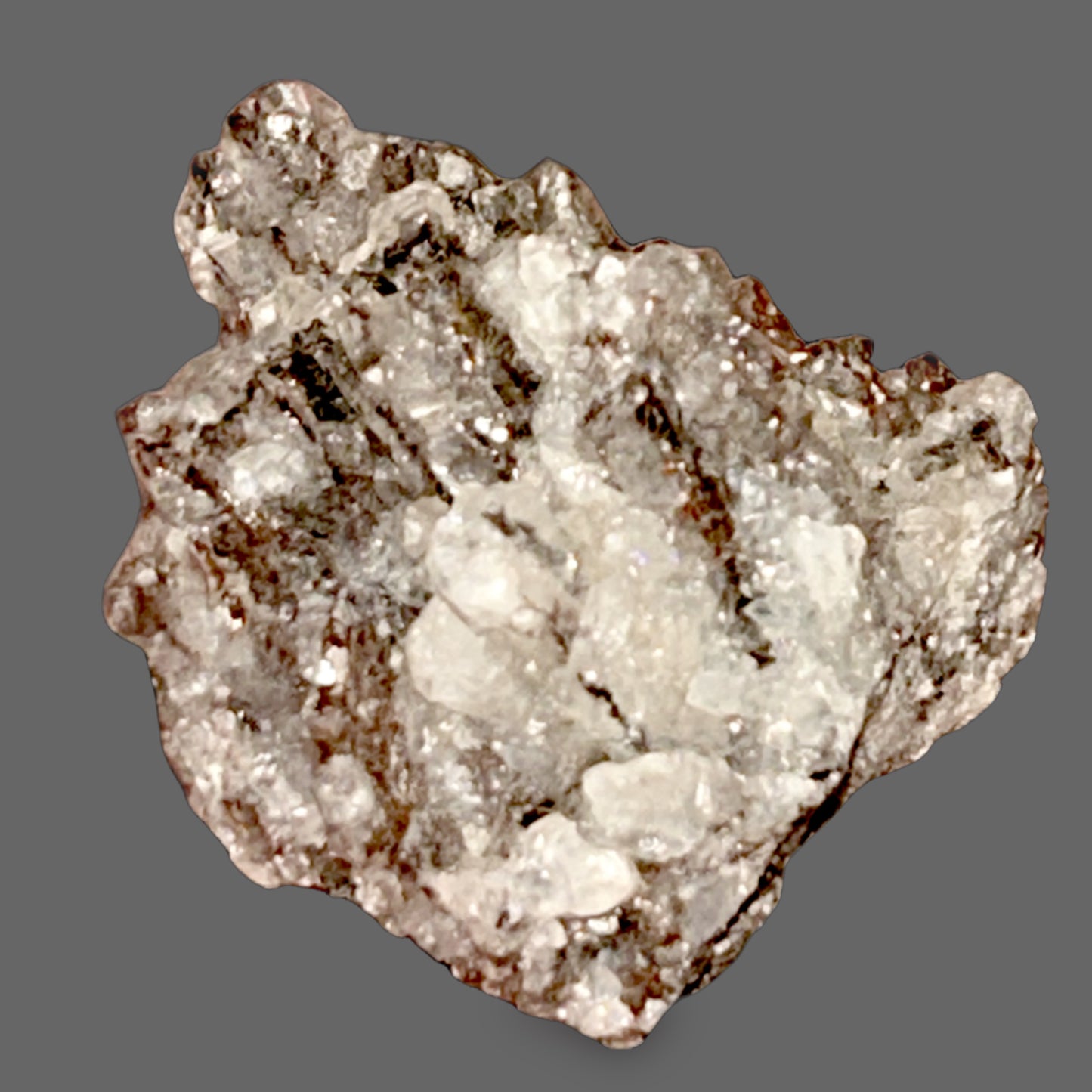
Calcite & Strontianite Crystal Cluster — Compact Natural Formation, 65g — Field Find
Calcite & Strontianite Crystal Cluster — Compact Natural Formation, 65g — Field Find
Couldn't load pickup availability
THE FIND
A calcite and strontianite crystal cluster, 65g — a compact natural formation that works quietly. Some specimens don’t need dramatic color to make you stop. This one rewards the kind of attention most people don’t give rocks. Turn it in your hand and the formation changes. The light catches differently. You start to wonder about the conditions that allowed two minerals to grow together in this particular arrangement, in this particular pocket of the earth. That wondering is the point. That’s always the point.
WHAT WE KNOW
This specimen is cataloged as a combination of calcite and strontianite — two carbonate minerals that can occur together in the same geological environment. Calcite (CaCO₃) is one of the most common minerals on earth, forming in an enormous range of crystal habits and geological environments — from sedimentary limestone and marble to hydrothermal veins and cave formations. Strontianite (SrCO₃) is a strontium carbonate that occurs as prismatic or acicular crystals, sometimes in radiating or fibrous aggregates, and is considerably less common than calcite. Strontianite was first described in the 1790s from specimens found in Strontian, Scotland — the mineral, and the element strontium, take their name from that locality. The two minerals can co-occur in hydrothermal carbonate veins and mineral-rich sedimentary pockets. No independent mineral analysis has been performed on this individual specimen; the identification is presented as a catalog identification rather than a laboratory-confirmed result. This specimen weighs 65g.
THE STORY
Strontianite was named for a Scottish mining village. The mineral was new to science when it was first described there, and the element it contains — strontium — was named for the same place. The mineral in this cluster is the same compound, formed through the same carbonate chemistry, just in a different geological setting. At 65g this is a desk specimen, a study specimen — the kind of object that earns a second look from anyone who notices it. This cluster formed without any intention of being found. You don’t just buy the object. You become the next part of its story.
WHY WE CHOSE IT
The strontianite identification makes this a more unusual collector specimen than a plain calcite cluster — strontianite is significantly less common and less frequently encountered in collections. The compact natural formation records something about the hydrothermal conditions that made it. A strong mineralogy specimen at an accessible price point for what it is.
ABOUT THIS PIECE
Type: Calcite & strontianite crystal cluster (carbonate minerals; catalog identification, not lab confirmed)
Weight: 65g
Dimensions: [CONFIRM DIMENSIONS]
Locality: Unknown
Condition: Natural crystal surfaces — please review photographs for formation detail and surface variation.
Quantity: 1 — one of a kind.
Share


Field Notes
Recovered and preserved as discovered.
Marks, textures, and imperfections remain untouched.